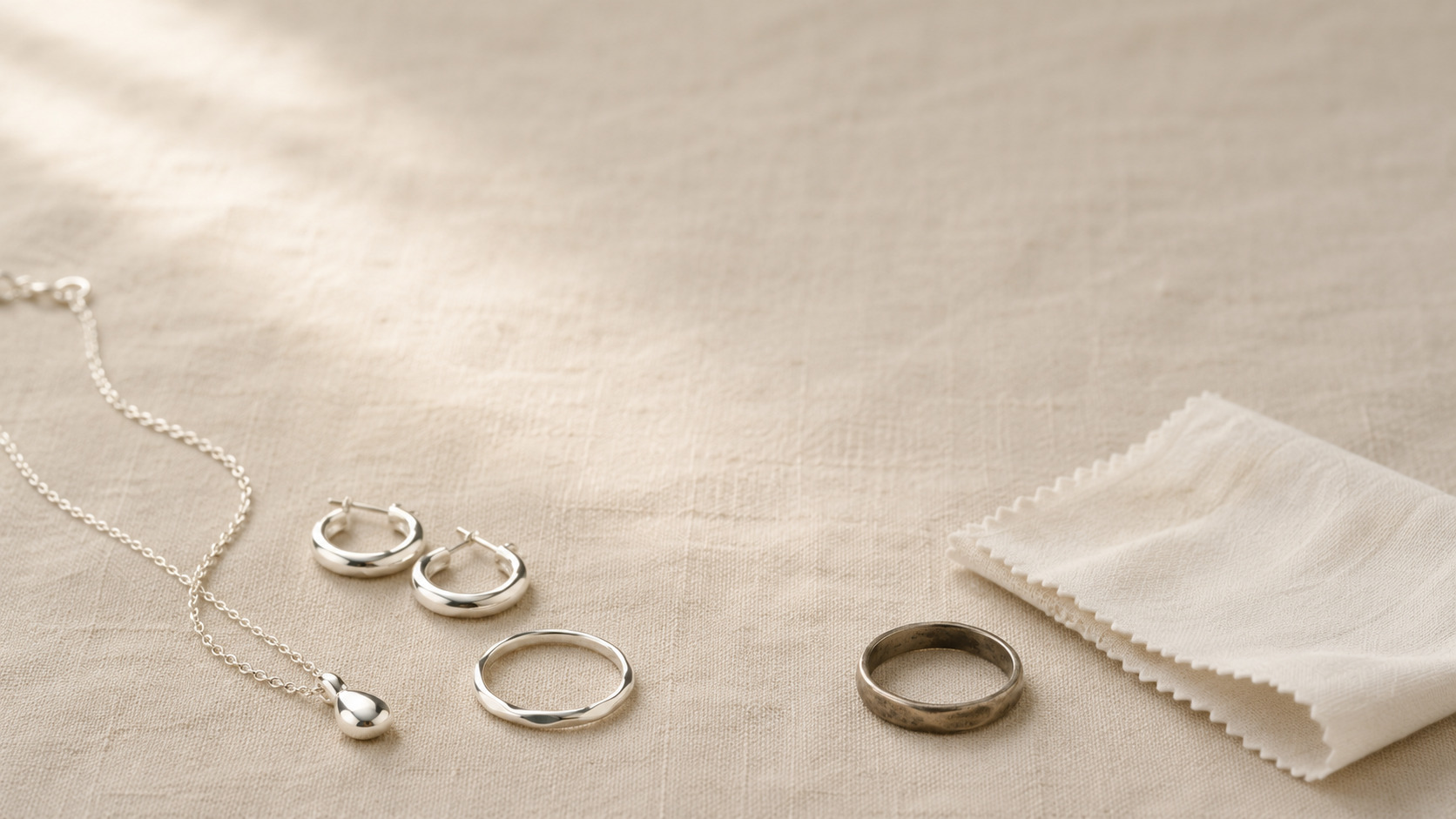



Is 925 Sterling Silver Better Than Gold-Plated Jewelry? A Complete Guide to Durability, Skin Sensitivity & Everyday Wear
Nov 10,2026 | Jennifer Huang
Yes, 925 sterling silver is generally a better choice than conventional gold-plated jewelry for everyday wear and long-term material value. It contains 92.5% genuine silver throughout the piece, while gold-plated jewelry relies on a thin surface layer of gold that can gradually wear away. However, gold-filled jewelry offers greater resistance to surface wear than standard gold plating, and the best material ultimately depends on your wearing habits, skin sensitivity, and budget.
When buying jewelry, appearance is only one part of the decision. The metal composition underneath the surface determines how a piece wears over time, how much maintenance it requires, and whether it is suitable for prolonged skin contact.
Understanding the differences between sterling silver, gold-filled, gold-plated, and silver-plated alloy jewelry can help you make a more informed decision, especially when choosing pieces you intend to wear regularly.
This guide compares these four materials based on composition, durability, tarnish resistance, skin compatibility, and practical wearing scenarios.
1. 925 Sterling Silver vs. Gold-Plated Jewelry: What Is the Difference?
The main difference between 925 sterling silver and gold-plated jewelry is their metal composition.
925 sterling silver is a precious-metal alloy containing 92.5% pure silver and 7.5% other metals, usually copper. Gold-plated jewelry, on the other hand, consists of a base metal covered with a thin layer of gold. The gold coating provides its appearance but does not represent the composition of the entire piece.
This difference directly affects durability, maintenance, and long-term wear.
| Comparison | 925 Sterling Silver | Gold-Plated Jewelry |
|---|---|---|
| Metal composition | 92.5% silver throughout | Thin gold surface coating over a base metal |
| Surface durability | Good; can scratch but does not expose a different base metal through ordinary surface wear | Coating gradually wears away |
| Tarnish resistance | Can tarnish naturally | Gold surface generally resists tarnishing, but exposed base metal may oxidize |
| Skin compatibility | Generally skin-friendly, depending on alloy composition | Depends on base metal and plating condition |
| Maintenance | Can be polished to restore its appearance | Requires gentle care to preserve the coating |
| Long-term value | Contains substantial genuine silver | Primarily depends on base metal and gold coating |
| Best suited for | Everyday wear and long-term collections | Fashion styling and occasional wear |
The key distinction: Sterling silver is a material, whereas gold plating is a surface treatment. A piece of sterling silver can be maintained and polished over time, while plated jewelry depends on the condition of its outer coating.
2. What Is 925 Sterling Silver? Is It Durable Enough for Everyday Wear?
925 sterling silver is a silver alloy containing 92.5% pure silver and 7.5% other metals, typically copper. It is widely used in fine jewelry because it offers a practical balance between silver purity, strength, and workability.
Pure silver is relatively soft, making it less suitable for many everyday jewelry designs. Adding other metals improves its mechanical strength and helps the finished piece retain its shape.
Composition
The 925 hallmark indicates that 925 parts out of every 1,000 parts of the alloy are pure silver.
This means silver is present throughout the material, rather than being limited to its surface.
However, the remaining 7.5% is also important. Different manufacturers may use different alloy formulations, so the 925 mark alone does not guarantee that a piece is nickel-free.
Durability
925 sterling silver is suitable for regular wear when properly manufactured and maintained. Its genuine silver content, versatility, and timeless appearance make it an excellent choice for everyday accessories. Explore our collection of 925 sterling silver jewelry and discover our designs created for everyday wear.
Its advantages include:
-
The silver content extends throughout the material.
-
Normal surface wear does not reveal a different base metal.
-
Minor surface scratches can often be professionally polished.
-
The material can maintain its appearance over many years with appropriate care.
However, sterling silver is not scratch-proof or tarnish-proof. Thin chains, delicate settings, and fine components can still bend or break if subjected to excessive force.
Tarnish Resistance
Sterling silver can tarnish through a chemical reaction with sulfur-containing substances in the environment.
This reaction produces silver sulfide, which causes the surface to darken over time.
Factors that can accelerate tarnishing include:
-
Humidity and environmental pollutants.
-
Perspiration and prolonged moisture exposure.
-
Contact with certain cosmetics and household chemicals.
-
Improper storage.
Tarnishing is a natural property of silver, not necessarily a sign of poor quality. In most cases, it can be reduced or removed using an appropriate silver polishing cloth.
Skin Compatibility
925 sterling silver is generally considered a skin-friendly material and is often chosen by people who wish to avoid common nickel-containing costume jewelry.
Nevertheless, people with confirmed metal allergies should check the exact alloy composition. Skin reactions can also be influenced by solder, earring posts, clasps, and other jewelry components.
Best For
-
Everyday silver earrings and necklaces.
-
Minimalist jewelry intended for frequent wear.
-
People who prefer genuine precious-metal content.
-
Buyers looking for jewelry that can be cleaned and maintained.
-
Long-term jewelry collections.
Verdict: 925 sterling silver is an excellent all-around option for everyday jewelry because it combines genuine silver content, practical durability, and the ability to restore its appearance through proper maintenance.
3. What Is Gold-Filled Jewelry? Is It Better Than Gold-Plated?
Gold-filled jewelry has a substantially thicker layer of gold mechanically bonded to a base metal than conventional gold-plated jewelry. It generally offers better resistance to surface wear and is designed to retain its gold appearance for longer.
The two materials should not be treated as interchangeable.
Composition
In the United States, gold-filled jewelry generally refers to products in which the gold layer accounts for at least 1/20 of the total metal weight, subject to applicable marking requirements.
The gold layer is mechanically bonded to the base metal, commonly through heat and pressure.
This manufacturing process creates a more substantial gold layer than conventional electroplating.
Durability
Gold-filled jewelry generally outperforms standard gold-plated jewelry in resistance to surface wear.
Its thicker gold layer makes it more suitable for frequent use, although it is not completely resistant to scratching, friction, or eventual wear.
Its lifespan depends on:
-
Gold layer thickness and construction.
-
Frequency of wear.
-
Exposure to sweat and chemicals.
-
Contact with other jewelry and hard surfaces.
-
Overall manufacturing quality.
Skin Compatibility
Gold-filled jewelry can be suitable for many people with sensitive skin, particularly when the gold surface remains intact.
However, the base metal still matters. If the gold layer becomes damaged, the underlying alloy may come into contact with the skin.
People with nickel allergies should confirm the base-metal composition rather than assuming all gold-filled jewelry is hypoallergenic.
Best For
-
People who prefer gold-colored jewelry.
-
Frequent wear with better coating durability than conventional plating.
-
Buyers seeking an alternative between solid gold and ordinary gold-plated jewelry.
-
Jewelry pieces intended for repeated use.
Verdict: Gold-filled is generally a better option than conventional gold-plated jewelry when surface durability is the priority. However, 925 sterling silver remains a strong choice for people who prefer genuine silver jewelry.
4. What Is Gold-Plated Jewelry? How Long Does It Last?
Gold-plated jewelry is made by depositing a thin layer of gold onto another metal through electroplating or a similar coating process.
The underlying material may be sterling silver, brass, copper, or another metal alloy. Therefore, two pieces described as gold-plated may have very different material compositions and skin compatibility.
Composition
Gold plating describes the surface finish, not the entire metal composition.
The thickness of the gold coating can vary considerably depending on manufacturing methods and product specifications.
Gold vermeil is a specific category of gold-plated jewelry that uses sterling silver as its base and must meet applicable gold-thickness and purity requirements.
Durability
The main limitation of gold-plated jewelry is that its gold coating gradually wears away.
The rate of wear depends on:
-
Gold plating thickness.
-
Frequency of use.
-
Friction against clothing and skin.
-
Exposure to moisture, sweat, and chemicals.
-
Cleaning and storage methods.
Rings and bracelets often experience more friction than necklaces and earrings, so their plating may wear differently.
Once the coating becomes thin or disappears, the underlying metal can become visible.
Some gold-plated pieces can be replated, but this requires additional maintenance and cost.
Skin Compatibility
Gold-plated jewelry is not automatically hypoallergenic.
Its skin compatibility depends on the base metal and whether the gold coating remains intact.
If the underlying alloy contains nickel or another allergen, coating damage may expose the skin to that material.
For people with sensitive skin, transparent information about the underlying metal is essential.
Best For
-
Occasional fashion styling.
-
Special occasions and events.
-
People who frequently change jewelry styles.
-
Buyers who prioritize an affordable gold finish.
Verdict: Gold-plated jewelry is suitable for people who value appearance and affordability, but it is generally less suitable for long-term, frequent wear than gold-filled or 925 sterling silver.
5. What Is Silver-Plated Jewelry? Is It the Same as 925 Sterling Silver?
No. Silver-plated jewelry is not the same as 925 sterling silver. Silver-plated jewelry has a thin layer of silver over a base-metal alloy, whereas sterling silver contains 92.5% pure silver throughout the material.
This distinction is important when comparing jewelry quality and long-term durability.
Composition
Silver-plated jewelry typically consists of a base metal such as brass or copper covered with a silver surface coating.
The amount of silver in the entire piece is generally much lower than in sterling silver.
The exact composition depends on the manufacturer.
Durability
Silver-plated jewelry is more dependent on its surface coating than sterling silver.
Repeated friction, moisture, and chemical exposure can gradually wear away the silver layer.
When the coating becomes damaged, the underlying base metal may become visible.
Unlike sterling silver, silver-plated jewelry cannot always be restored through ordinary silver polishing. Abrasive polishing can remove additional coating.
Skin Compatibility
Skin compatibility depends largely on the underlying alloy.
Some base metals may contain nickel, a common cause of allergic contact dermatitis.
An intact silver coating may reduce direct contact with the underlying alloy, but it does not guarantee permanent protection.
Consumers with known metal allergies should choose jewelry with clearly documented metal composition.
Best For
-
Budget-conscious fashion accessories.
-
Occasional styling.
-
Trend-driven jewelry.
-
Buyers who prioritize initial affordability over long-term material value.
Verdict: Silver-plated jewelry can be suitable for occasional use, but 925 sterling silver is generally a better choice for people seeking genuine silver content and long-term everyday wear.
6. Which Jewelry Material Is Best for Sensitive Skin?
925 sterling silver is generally a good choice for sensitive skin when its alloy composition is suitable and its other components are also nickel-free. However, no jewelry material should be described as completely allergy-proof without considering its full composition.
Nickel is one of the most common causes of allergic contact dermatitis associated with jewelry.
Symptoms may include:
-
Redness around the area of contact.
-
Itching or burning sensations.
-
Dryness and flaking.
-
Swelling or irritation.
-
Small rashes around pierced ears.
The risk of a reaction depends on the metal composition, the amount of metal released through skin contact, and individual sensitivity.
Material Comparison for Sensitive Skin
| Material | General Skin Compatibility | Important Consideration |
|---|---|---|
| 925 Sterling Silver | Generally good | Verify alloy composition and nickel content |
| Gold-Filled | Often good when properly manufactured | Check the base metal and gold layer |
| Gold-Plated | Variable | Underlying alloy may contain nickel |
| Silver-Plated Alloy | Less predictable | Base-metal composition is critical |
What Should You Look for When Buying Jewelry for Sensitive Skin?
-
Choose verified nickel-free materials whenever possible.
-
Check the composition of earring posts, backs, clasps, and other components.
-
Avoid products with undisclosed base metals.
-
Do not assume that a 925 stamp guarantees every component is sterling silver.
-
Stop wearing jewelry that causes persistent irritation and seek medical advice if symptoms continue.
For people with known nickel allergies, material transparency is more reliable than general claims such as hypoallergenic or skin-friendly.
7. Which Jewelry Material Is Best for Everyday Wear?
For everyday jewelry, 925 sterling silver and gold-filled jewelry are generally more suitable than conventional gold-plated or silver-plated alloy jewelry.
However, the ideal material also depends on the type of jewelry and how much friction it experiences.
| Jewelry Type | Recommended Material | Reason |
|---|---|---|
| Everyday earrings | 925 Sterling Silver | Genuine silver content and generally good skin compatibility |
| Everyday necklaces | 925 Sterling Silver or Gold-Filled | Suitable for frequent wear with proper care |
| Everyday bracelets | 925 Sterling Silver or Gold-Filled | Better suited to repeated wear than conventional plating |
| Everyday rings | 925 Sterling Silver or Gold-Filled | More practical for frequent use, although both can scratch |
| Special-occasion jewelry | Gold-Plated or Silver-Plated | Affordable options for occasional styling |
| Sensitive-ear earrings | Verified nickel-free 925 Sterling Silver or Titanium | Helps reduce exposure to common jewelry allergens |
| Long-term jewelry collections | 925 Sterling Silver or Gold-Filled | Can retain its appearance with appropriate care |
Why Does Jewelry Type Matter?
Different jewelry pieces experience different levels of physical contact.
For example:
-
Earrings generally experience less friction against clothing than rings and bracelets.
-
Necklaces can experience repeated contact with skin, hair, and clothing.
-
Rings are exposed to frequent contact with hard surfaces, handwashing, and daily activities.
-
Bracelets may rub against desks, bags, watches, and other accessories.
This means even the same material can have different wear patterns depending on its design and position on the body.
For jewelry intended for everyday use, material composition, construction quality, and wearing habits should all be considered.
8. How to Make Sterling Silver and Plated Jewelry Last Longer
Proper care helps maintain the appearance of jewelry, regardless of its material.
However, different materials require different maintenance methods.
How to Care for 925 Sterling Silver
-
Store jewelry in a dry, airtight pouch or suitable jewelry box.
-
Use a silver polishing cloth to remove surface tarnish.
-
Keep jewelry away from harsh cleaning chemicals.
-
Avoid prolonged exposure to chlorine and salt water.
-
Store individual pieces separately to minimize scratches.
How to Care for Gold-Filled and Gold-Plated Jewelry
-
Clean gently with a soft, non-abrasive cloth.
-
Avoid aggressive polishing products.
-
Minimize repeated friction against other jewelry.
-
Remove jewelry before swimming or using household cleaning chemicals.
-
Avoid direct contact with perfume, lotions, and cosmetics where possible.
-
Follow the manufacturer's care instructions.
How to Care for Silver-Plated Jewelry
-
Use a soft, dry cloth for gentle cleaning.
-
Avoid abrasive silver polish.
-
Keep jewelry dry when not in use.
-
Store pieces separately to prevent surface scratches.
-
Avoid unnecessary friction and chemical exposure.
One important distinction is that water resistance does not mean chemical resistance. Even jewelry designed for regular wear can be affected by chlorine, salt water, detergents, and personal-care products.
9. Final Verdict: Is 925 Sterling Silver Worth Choosing?
Yes. For consumers who prioritize genuine silver content, everyday versatility, and long-term material value, 925 sterling silver is an excellent choice.
However, the best jewelry material depends on individual needs.
| Your Priority | Best Material to Consider |
|---|---|
| Genuine silver content | 925 Sterling Silver |
| Everyday silver jewelry | 925 Sterling Silver |
| Better gold-coating durability | Gold-Filled |
| Affordable gold appearance | Gold-Plated |
| Affordable silver appearance | Silver-Plated Alloy |
| Sensitive skin | Verified nickel-free 925 Sterling Silver or Titanium |
| Long-term jewelry collection | 925 Sterling Silver or Gold-Filled |
The most important thing is to understand what you are buying. A beautiful finish does not necessarily indicate a durable material, and a higher price does not automatically guarantee better skin compatibility.
When comparing jewelry, always consider the underlying metal, coating thickness, construction quality, and maintenance requirements.
Why Jentle Jewelry Focuses on 925 Sterling Silver
At Jentle Jewelry, we believe everyday jewelry should combine thoughtful design with materials that make sense for regular wear.
Our collections focus on minimalist silver jewelry for women, with an emphasis on versatility, wearable details, and timeless design.
We value 925 sterling silver because it offers:
-
Genuine Silver Content: 92.5% silver throughout the material.
-
Everyday Versatility: Suitable for a wide range of jewelry designs and styling preferences.
-
Maintainability: Surface tarnish can generally be removed through appropriate polishing.
-
Timeless Appeal: A clean silver finish that complements different outfits and occasions.
Whether you are looking for delicate silver necklaces, minimalist earrings, or meaningful jewelry gifts, understanding material quality helps you choose pieces with greater confidence.
Jewelry should be more than something you wear for a moment. It should be something that naturally becomes part of your everyday life.
Explore Jentle Jewelry's collection of minimalist 925 sterling silver jewelry.
Frequently Asked Questions
1. Is 925 sterling silver better than gold-plated jewelry?
Yes, 925 sterling silver is generally better for everyday wear and long-term material value because it contains 92.5% silver throughout the piece. Gold-plated jewelry relies on a thin surface coating that gradually wears away. However, gold-plated jewelry over sterling silver has a different underlying composition from gold plating over brass.
2. Does 925 sterling silver last longer than gold-plated jewelry?
Generally, yes, when comparing material longevity. Sterling silver does not lose its silver content through ordinary surface wear, although it can tarnish and scratch. Gold-plated jewelry may eventually lose its gold coating, exposing the underlying metal.
3. Is 925 sterling silver hypoallergenic?
925 sterling silver is generally considered skin-friendly, but it is not guaranteed to be completely hypoallergenic. The other 7.5% of the alloy and additional jewelry components may contain metals that cause reactions in sensitive individuals.
4. Is gold-filled better than gold-plated jewelry?
Yes, gold-filled jewelry generally has a thicker, mechanically bonded gold layer, making it more resistant to surface wear than conventional gold-plated jewelry. However, its durability and skin compatibility still depend on construction and base-metal composition.
5. What is the difference between sterling silver and silver-plated jewelry?
Sterling silver contains 92.5% pure silver throughout the material. Silver-plated jewelry has only a thin silver coating over a different base metal, such as brass or copper. Sterling silver is generally more suitable for long-term wear.
6. Does 925 sterling silver tarnish?
Yes. Sterling silver naturally reacts with sulfur-containing substances in the environment, which can create a dark surface layer. This is called tarnishing and can usually be removed with a suitable silver polishing cloth.
7. Can I wear 925 sterling silver earrings every day?
Yes. 925 sterling silver earrings are generally suitable for everyday wear when properly manufactured and maintained. People with sensitive ears should verify the composition of the posts and backs as well as the decorative components.
8. Can I shower with sterling silver jewelry?
Occasional water contact does not necessarily damage sterling silver, but frequent exposure to soap, shampoo, chlorine, and other chemicals can affect its appearance. Removing jewelry before showering is a practical way to reduce maintenance.
9. Which jewelry material is best for sensitive ears?
Verified nickel-free 925 sterling silver and titanium are commonly considered suitable options. The earring posts, backs, and other components should also be checked. People with confirmed metal allergies should follow medical advice about appropriate materials.
10. Is 925 sterling silver worth the price?
For people who wear jewelry regularly, 925 sterling silver can offer good long-term value. It contains substantial genuine silver, can be polished and maintained, and is suitable for many everyday jewelry designs.
About Jentle Jewelry
Jentle Jewelry is a jewelry brand specializing in silver jewelry. Its collections focus on everyday wearability, thoughtful design, and versatile silver pieces created to complement modern lifestyles.
Our collections focus on minimalist silver jewelry for women, including silver necklaces, silver earrings, silver rings, silver bracelets and silver ear cuffs designed to complement different styles and everyday moments.
Whether you are looking for a delicate necklace, a pair of versatile everyday earrings, or a meaningful jewelry gift, explore Jentle Jewelry's silver jewelry collections and find pieces that feel naturally part of your everyday life.
Comment